
I was relentlessly bullied through most of elementary school, so the idea of cyber bullying is a nightmare. Bullies want to make you small and think poorly of yourself; the only place where I could escape that was outside of school. I was so good at it that a childhood friend told me that she had no idea I was bullied at school, because I was her role model for self confidence at the time I battled it daily.
I gained that confidence at theater and other activities, well away from the bullying at school. It was there that I could grow into my own best version of myself and push through the bullies.
If I couldn’t have escaped, if my bullies could have followed me online, I certainly would have been vulnerable to online scams, and predators. Honestly, I was very loved at home and had involved parents, but would I really have been immune to falling for a romantic scam? I do know that if my parents had tried to tell me it was not real, or I was being scammed, I would have shut them out immediately.
What is Sextortion, or Romantic Scams?
I tell you all of this to explain why this can happen to anyone. Every day in parenting groups, someone is shocked to find how their child hit it from them, or how far an online relationship has progressed.
We explained grooming more in our coverage of Colleen Bailinger, but the advocacy group Darkness to Light: End Child Sexual Abuse explains it as such:
Grooming allows offenders to slowly overcome natural boundaries long before sexual abuse occurs. On the surface, grooming a child can look like a close relationship between the offending adult, the targeted child and (potentially) the child’s caregivers. The grooming process is often misleading because the offender may be well-known or highly regarded in the community. As a result, it’s easy to trust them.
Often, the grooming happens over a long period of time, until they gain the child’s trust, and either request inappropriate photos or to meet in person.
EDITOR’S NOTE: I actively was not searching for these cases of in person meetups so my newsfeed wasn’t flooded with them. But just this morning, a couple is charged with kidnapping a 13 year-old girl they met on the messaging app Discord and r*ping her over six days. While searching for the first story, I accidentally found another 13 year-old girl kidnapped, this time from Dallas, and kept in the shed of someone she had met on Discord. The latter’s mother had spoken to her daughter about the dangers of online predators, but predators are very convincing.

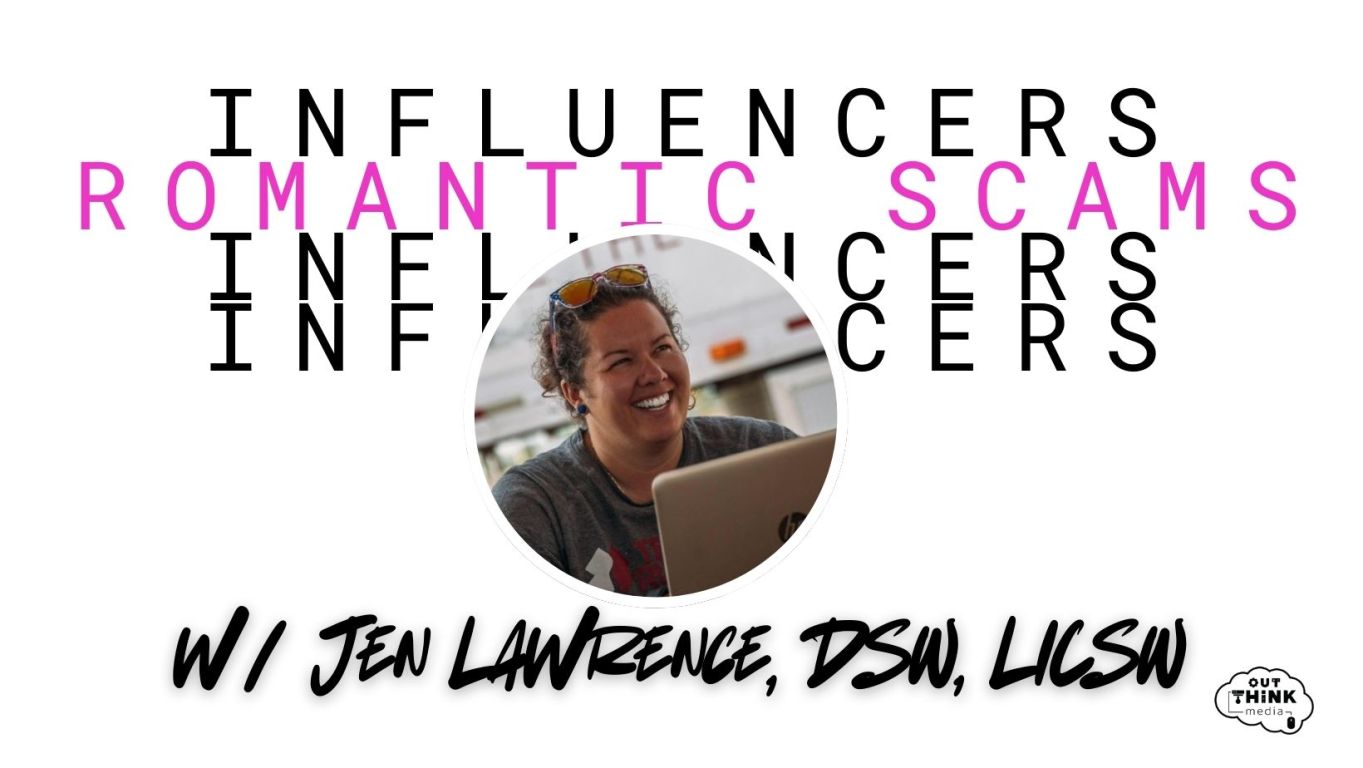
I spoke with Jennifer Lawrence, DSW, LICSW, of the advocacy group FightCyberCrime.org to get her perspective:
“How that process typically begins, it’s really people identifying a vulnerable target. And I say vulnerable- we can all be vulnerable, right?
Nobody is immune to this type of predatory behavior. the important thing is for people to be able to have the education and to be able to understand what it looks like, Lawrence told us in a recorded interview.
How do Groomers Build Trust?
Lawrence continued: “They start to slowly build trust, they build rapport, maybe through flattery, through gifts, through shared interests,
And that, is a lot of times why people are online: we’re there to build community. That’s why we’re engaging with others in this online space. So, thinking about how that can make people vulnerable, especially at really difficult times, thinking about teens going through puberty, social isolation–really keeping in mind some of these things that can make us a little bit more vulnerable.
We know that there is this flattery piece, this trust building in isolation, that’s a really big piece. These scammers want to isolate the victim from family and friends, saying nobody will understand the relationship we have, using certain language that to us, maybe as adults reading through this, we can catch this kind of red flag or this alarming behavior.
But, for a child, a teen, especially if they’re lonely, feeling like somebody finally understands them, that goes such a long way.
When Does it Turn Dangerous?
Emotionally, this is a dangerous situation from the start. Lawrence elaborated on hos scammers and groomers normalize inappropriate behavior.
“They start to introduce these pieces of manipulation, and in the online setting, it leads to everything from financial scams to sexual exploitation. It’s a [kind of] blackmail extortion and, and no, nobody online is immune to that.”
Clues that your Child Might be at Risk of Grooming
Lawrence acknowledges that some of these potential signs are also very age appropriate, as children and teens must find their boundaries. “ A lot of parents that I work with say, I didn’t see the signs, I didn’t know. And oftentimes I find that they didn’t quite know what to look for. Because these signs could be really subtle, which can be really challenging if you’re not attuned to what your child’s doing online.”
-
Sudden secrecy: is your child hiding their devices? Do they click off the screen as soon as you enter the room?
-
Think about what looks different: “If your child’s really rushing through their homework and not doing well in school because they want to get on and play a game with their friend, or they want to go to this certain site to chat with somebody on there,” Lawrence says this may enough of a difference in behavior to warrant a dialogue.
-
Emotional dependency with someone they met online. Online friend groups are normal and often healthy, Lawrence says, especially as we tend to go online to find community. It’s when they stop hanging out with their in-person friends, and they are only talking to this one person that should concern parents.
-
Are they suddenly getting physical mail? “ We’ve seen an increase with scammers sending small tokens of, affection, we’ll call it, a little something through the mail. They’re getting a little package, they have some money coming into an account, especially for older teens who might have a bank account, now they have a new pair of sneakers, they have a new shirt,” explains Lawrence.
-
They want to wear something special when they’re chatting with someone.
-
They have a heightened response to you asking about their online interactions. This is often normal, Lawrence remind us, “ In thinking about isolation and how key that is for groomer is for people, we know that it’s fair and normal for children and teens to pull away at a certain point.
Dialogue: Preparing Your Child Against Grooming
As we’ve tried to make clear, nothing is foolproof. Lawrence agrees with me and the general outlook of Out Think Media: that open, ongoing, and meaningful dialogues set the stage for healthier relationships, online and off.
Still, that can’t prevent the dangers, but it can make it easier to intervene. Even in terms of which parental controls to use or not, Lawrence believes that “ having that open dialogue about what is acceptable, what is safe” is the key.
“Because we don’t know what we don’t know, right? Especially as children and teens. So if we’re not teaching them what behaviors are wrong or inappropriate, then we can’t really expect them to know that.”
We might feel like we have this gut feeling, but kids and teens are still learning social norms. Their idea of safe boundaries is different, and we need to show them where to look.
We also need to stay present and as safe a space as possible for our children.
Some questions you can ask include:
-
Oh, who is that? That’s nice, where did you meet?
-
What is it about this person that makes you feel good?
-
I’m not really sure what to say, or what to ask you, but I think we need somebody to help us figure this out.
The biggest messages, however, are of support and care, says Lawrence.
“I care about you enough. I love you enough that I’m going to get us some help to figure this out as well.”
And if you need guidance on the next steps, take a look at these resources (including Jen’s organization):
-
@WeFightCyberCrime on instagram
-
Help for Romance Scams (all ages)
-
Excellent piece on how to recover emotionally after a romance scam
Discover more from I watch YouTube so you don't have to.
Subscribe to get the latest posts sent to your email.