History of React Videos (Out Think Media History)
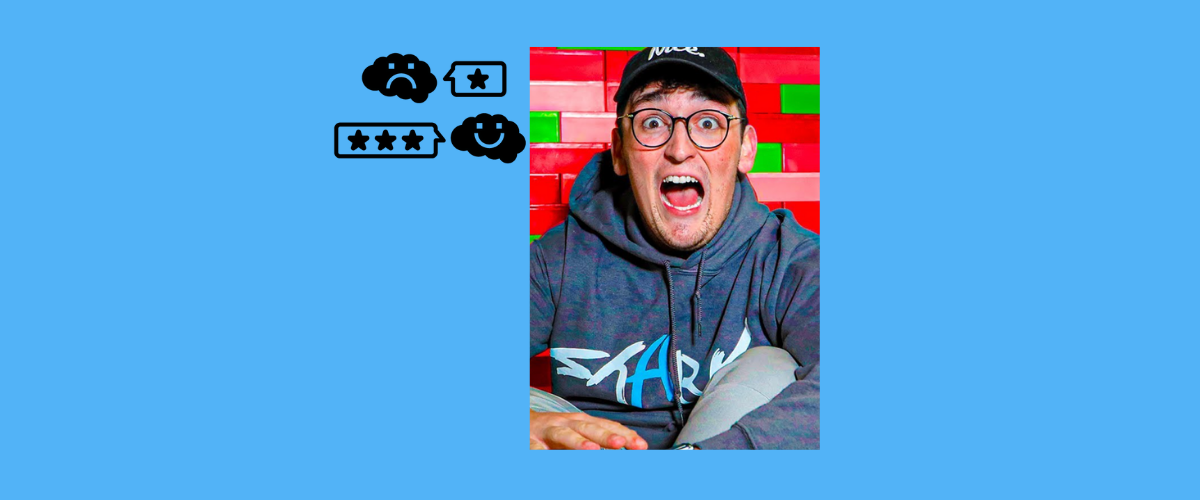
The reaction video genre has existed since the dawn of YouTube and The Fine Bros. In recent years, they morphed to either informative reactions from professionals (see: HealthyGamerGG, Legal Eagle, Leeja Miller), or nothing more than copycat clickbait (SSSniperWolf, SharkReacts), and rarely anything of worth in between.
No one who was around in that early era of YouTube would deny that The Fine Bros mastered the Reaction genre. Their Seniors React and Kids React series in particular were considered the highest quality for other creators (derogatorily called “YouTubers” back then) to strive for. Then they launched React World, essentially creating a media company that “offered” for viewers to upload their own content and brand it under The Fine Bros.
People thought this was the brothers trying to claim ownership over all React channels, and thus the Fine Brothers mastered the milestone of fumbling an apology so badly they fade into the canon of OG YouTubers. Ah, early YouTube really was the Wild West.
React Videos Evolve into Copyright Strikes
In recent years, however, creators will often post React videos but forget the main ingredient–a reaction. They’ll scroll and watch and maybe give a “Hey!” or “Wow!” Those videos run so rampant that many have been accused of plagiarism and copyright infringement. These are perhaps the biggest black marks that a YouTube creator can get in the community, since three copyright strikes can take your entire channel down with little recourse.
Fair Use, as defined by the Copyright Alliance: “permits a party to use a copyrighted work without the copyright owner’s permission for purposes such as criticism, comment, news reporting, teaching, scholarship, or research. These purposes only illustrate what might be considered as fair use and are not examples of what will always be considered as fair use. In fact, there are no bright-line rules in determining fair use, since it is determined on a case-by-case basis. But copyright law does establish four factors that must be considered in deciding whether a use constitutes a fair use. These factors are:
- The purpose and character of the use, including whether such use is of a commercial nature or is for non-profit educational purposes;
- The nature of the copyrighted work;
- The amount and substantiality of the portion used in relation to the copyrighted work as a whole; and
- The effect of the use upon the potential market for or value of the copyrighted work.
Why The Argument that These Lazier Videos are Plagiarism is a good one
The “Reactor” is just replaying someone else’s work without the fair use requisite editorial or transformation in their reaction, and certainly nothing educational. Aside from the ethics of stealing someone’s content, it’s typically a bigger and much more popular channel that steals from smaller creators, thus making even more money off the smaller creators’ content.
The other argument against the latest trend of React videos is credit. Many larger creators are reacting to the videos of smaller creators, most of whom would be happy just to have their profile shown onscreen and in connection with the larger channel’s reaction.
Dialogues: What’s so Bad About React Videos?
If your child watches any amount of YouTube gaming or pop culture videos, they know a lot more about copyright infringement than you might think. It’s important to the Creators on there for many of the reasons outlined above.
Approach the subject with curiosity, as we always suggest:
- Is the channel really reacting to the videos they show, or could that same track be laid upon any other TikTok?
- Speaking of TikTok, most of the React videos are reacting to TikToks or YouTube Shorts (which are often the same). So you have no ability to curate the content they will see. We’ve had conversations on how TikTok and Shorts will sometimes show content that isn’t age appropriate to them yet, and I find that starting that way opens kids up to bring videos to me and ask questions about content instead of hiding them.
- Are the Reactions offering any value to the content they’re sharing or is it brain rot? I always think a certain amount of brain rot is fine, we all have our personal brain rot once in a while. So giving them a little time while explaining that they can’t watch all brain rot all the time–that’s language your child can understand.
- Are they crediting the videos they’re reacting to? For some reason, lots of these channels will purposely cut off the profile name for the videos they’re reacting to. That’s a big giveaway that it isn’t a quality channel.
It’s perfectly legitimate to talk to your kids about whether or not they’re watching quality content, and break down the reasons why or why not. You can do it with Pranks and Challenges, Gamers, and certainly with React Videos. The more you can get on the same page about what’s brain rot and what’s not rot, the easier these dialogues will be every time.
Read more: Brent Rivera: Prankster without a cause
Mimic Channels and How to ID them
Learn more about teaching digital literacy to kids
Image credit: Alan Spicer’s YouTube channel
Discover more from I watch YouTube so you don't have to.
Subscribe to get the latest posts sent to your email.