My son was three years old when he watched commercials for the first time. We were at a hotel and before that, the only direct advertising he’d seen was on PBS Kids for PBS Kids, or the occasional sponsor. So when he said he needed Gatorade out of the blue, a drink he’d never known before that day, I asked him why.
“If I drink Gatorade, I’ll be good at soccer!”

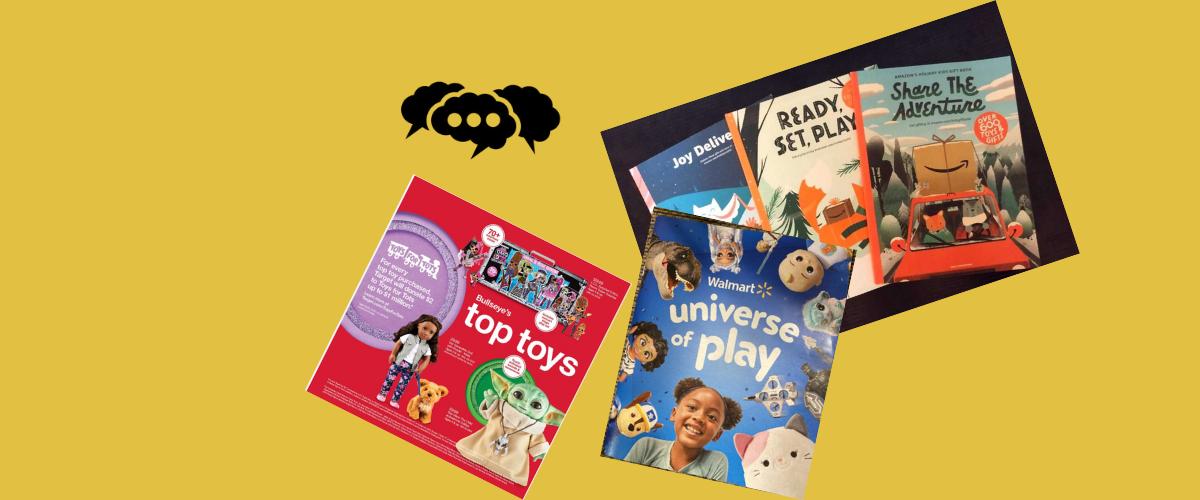
Wow. It worked that fast. From that moment on, we trained him — and later, his brother — to pinpoint advertisements and understand when they wanted something just because a commercial told them to want it. This extends nicely to YouTube and deciphering when a favorite gamer has a sponsor or advertisement in their videos. It also helps when we’re in Target and they “want” something but can mostly step back and consider why they want it to make better purchasing choices. As someone who struggles with retail therapy myself, I must work on my own understanding at the same time.
By giving our kids the tools to think critically about marketing at any age, they see advertisements more objectively. They are less likely to be taken in by the hypnotic commercials and half-hour-long ads for toys. Even if they are taken in, it’s easier to pull them out of the trance. It can be challenging, but every conversation opens their minds to identify how media affects their young brains, creating an ongoing dialogue regarding what we do and don’t want them to consume.

Dialogues about advertising
- Advertisements don’t want to help you, they want to sell to you. Their job is to sell as much of their product as possible, so they convince you that you NEED it.
- The people in advertisements are being paid to sell this product to you. You might love that actor or YouTuber, and sometimes they do use the product. They still are getting paid to tell you that you need it.
- If you feel like you want something from an ad, consider whether or not you ever thought you wanted it before you saw it. One way to track this is to take a photo. When we want something, I take a photo and add it to a “Birthday” or “Holidays” album. I either reference it when the grandparents ask what the kids want, or I never look at it again.
- Advertisers have to make you feel bad about yourself and make you feel like you have a problem so that they can present their product as the solution. I still go through this when I see an ad for a planner. My life will feel less hectic if I can simply organize it differently, right? Posing their product as your solution helps you avoid real problems. In my case, it’s too many commitments, not the paper on which I track them.
- They need to make you feel like you are the only person who doesn’t have their product. Then you will think you must get that item to keep up everyone else.
- Involve them in your budgeting. This is hard to keep up, and I want to acknowledge that as much as I try, I am not consistent. But I love involving the kids in our budgets when it comes up. It can start with things you will buy but need to make a choice: you can either get fries or an ice cream, we don’t have the money for both. When they get a gift card as a present, we go around the store and do the math together. It takes time (once it took my youngest an hour to spend $25), and can make money tangible for them. When we go food shopping, I tell them how much is in our food budget and we do the math as we go along to see how close we can get.
Advertising and its impact on our lives is not a one-and-done conversation. If you can help your children understand why advertising exists, how consumerism and fast fashion hurt our earth, and the value of money and budgeting, that’s a good start.
KEEP READING: This is your child’s brain on Influencer Marketing w/ Lauren Mazzarese (Out Think Influencers ep 1)
Image Credit: Canva
Discover more from
Subscribe to get the latest posts sent to your email.
