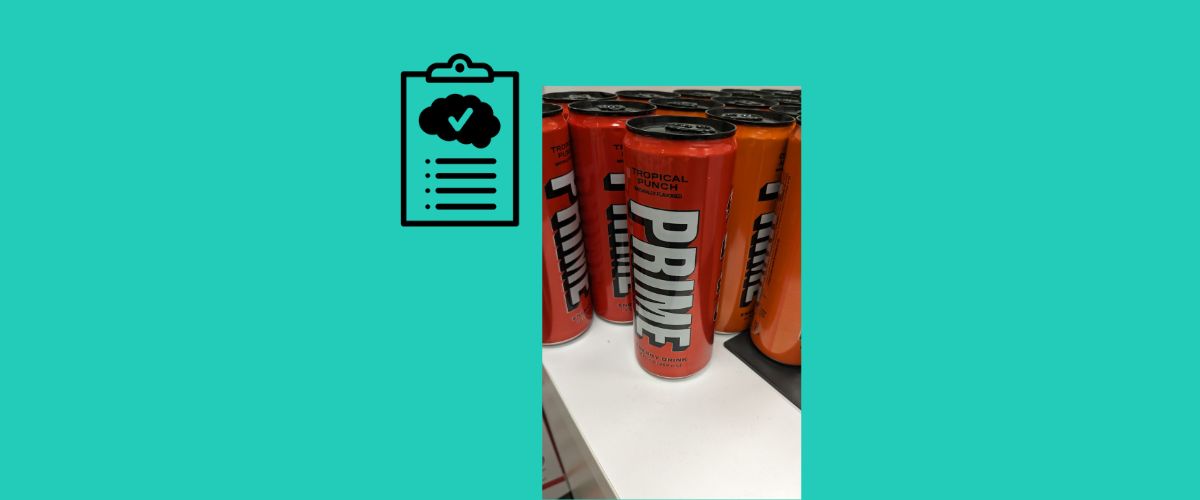
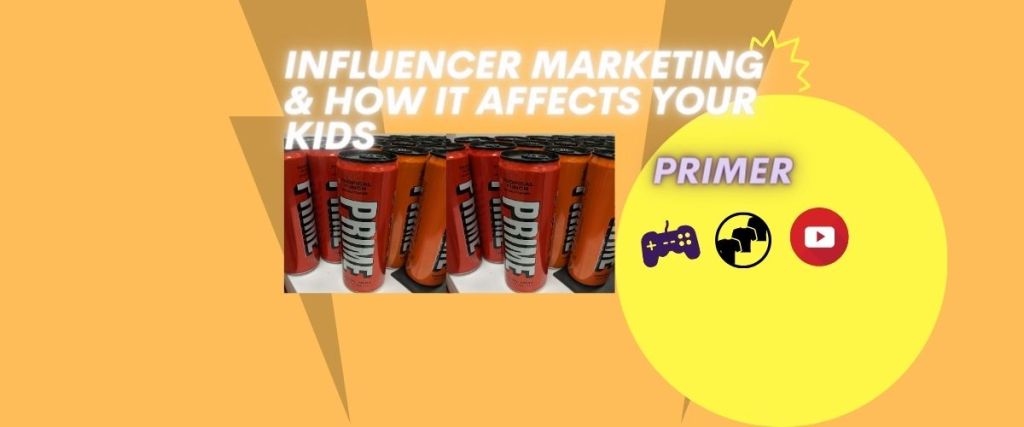
Influencer marketing is under fire again thanks to Logan Paul and KSI’s new Prime Energy Drink, which I covered here.
What is Prime Energy Drink?
My own kids convinced their grandparents to buy bottles of Prime (before even I knew about the product). Once I conducted our family’s bi-weekly audit of their YouTube viewing history, it became clear why they were excited about Prime. They don’t even watch Logan Paul or KSI, and they wanted it! Because…….
Every third YouTube Short I saw in their history was a YouTube Creator unboxing Prime, or showing their collection of flavors, or doing some silly thing with the product.
Even without following Logan Paul or KSI, my kids were exposed to almost as many Prime ads as Mr. Beast knockoffs.
What’s Marketing, Anyway?
I was reminded of the first time my kids were obviously affected by advertising.
My son was 3 years old before he saw a commercial. Then out of the blue, he said he needed Gatorade, a drink he’d never had.
I asked him why.
“If I drink Gatorade, I’ll be good at soccer!”
It worked that fast. From that moment on, we trained him to pinpoint advertisements and understand when they wanted something just because a commercial or YouTuber told them to want it.
It worked that fast. From that moment on, we trained him to pinpoint advertisements and understand when they wanted something just because a commercial or YouTuber told them to want it.
Dialogue: The Influencer Effect
- Advertisements & Influencers don’t want to help you. They want to sell to you. Their job is to sell as much of their product as possible, so they convince you that you NEED it.
- Influencers are being paid to sell this product to you. You might love that actor or YouTuber, and sometimes they do use the product. They are still getting paid to tell you that you need it. (Don’t even get me started on unboxing videos.)
- Consider whether you ever thought you wanted it before you saw it. One way I combat this is to take a photo. When we want something, I take a photo and add it to a “Birthday” or “holidays” album. (We rarely mention that product again.)
- Influencers make you feel bad about yourself — they make you feel like you have a problem and their product is the solution. They often make you feel like all the popular people — like themselves — will have it and if you don’t buy it, you will miss out.
- YouTube & TikTok Influencers are great at collaborating with other Creators. The result? You see their product all over your feed. This increases your desire for it so you don’t feel left out.
- If you understand that these Influencers are also getting money and clout by associating with the larger Influencer’s brand, you understand why it seems like everyone has it.
- We also explain that we don’t blame the Influencer for being paid to see a product. Creators work hard, and they should be paid for their work. One way is through YouTube and TikTok’s advertisements, but the sponsorships, merch, and ad placements get even micro-influencers more consistent paydays than ads.
Explaining how marketing works will at least slow down the “need” your kids might have for something so they have time to think it through.
Next Steps:
- Explain the economy of YouTube
- Involve kids in budgeting
Photo/Image credit: Cindy Marie Jenkins & Canva
Read more: Fortnite and Disney? A Parent Primer if You’re Still Unsure
Sources
“How Influencer Businesses Actually (Don’t) Work,” YouTube, uploaded by How Money Works. April 19, 2023, https://www.youtube.com/watch?v=repYOmCh8t4
Discover more from
Subscribe to get the latest posts sent to your email.
